Process Technology

Technical coverage across the complete aluminum-processing value chain.

01
Process Stage

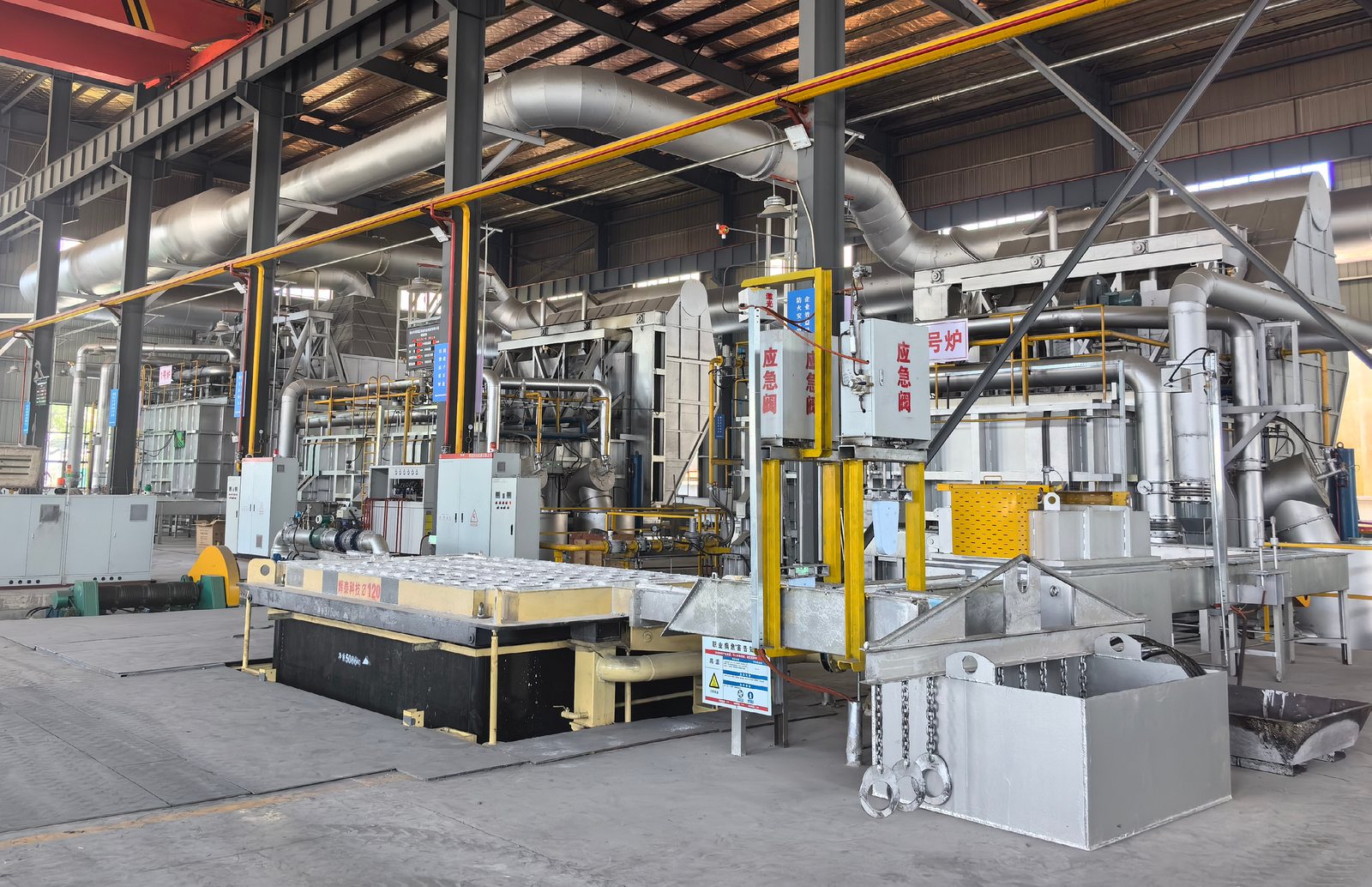
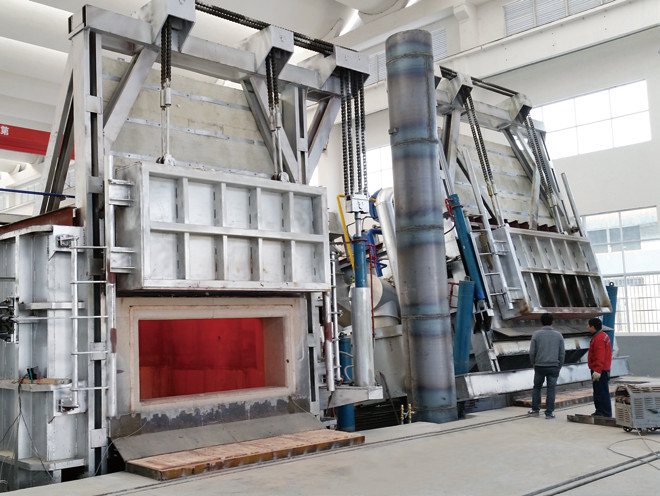
Aluminum Melting

铝熔炼工艺

The melting stage converts ingot, scrap or primary aluminum into clean liquid metal at a controlled casting temperature.

Key Process Parameters

  • Melting temperature: 720–780°C
  • Gas consumption: ≥52 m³/T·Al with regenerative burners
  • Rotary degassing with N₂/Ar
  • OES composition analysis before casting
  • Bag-filter and wet-scrubber emission control
View Related Equipment →
Aluminum Melting process
02
Process Stage

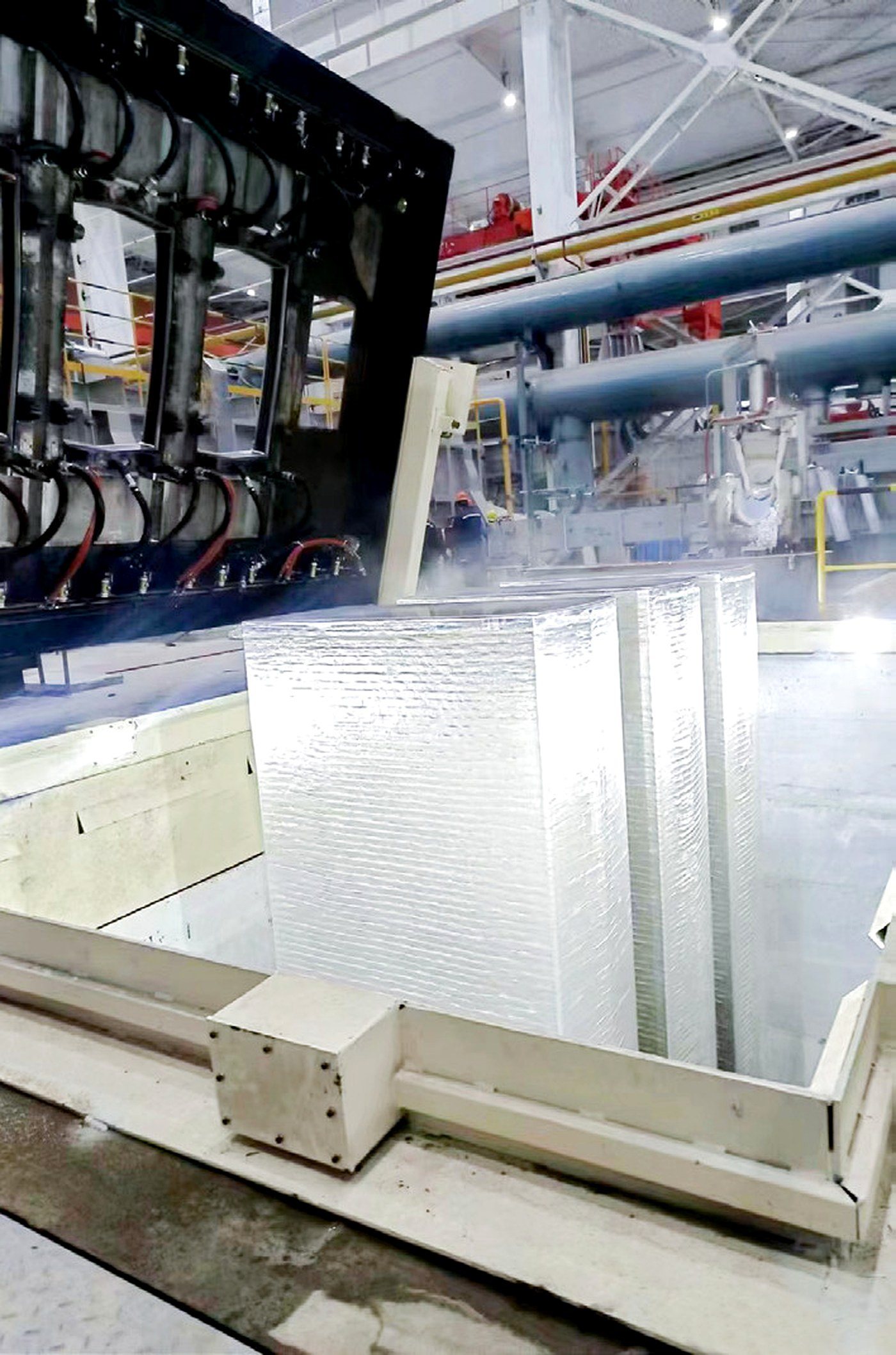
DC Casting

半连续铸造工艺

Direct-chill casting produces aluminum billets and rolling slabs with controlled cooling, surface quality and grain structure.

Key Process Parameters

  • Round billet: Ø63–600 mm
  • Slab: up to 1300 × 460 mm
  • Casting speed: 10–500 mm/min
  • Surface segregation: <0.3 mm with slip casting
  • Alloys: 1xxx–8xxx
View Related Equipment →
DC Casting process
03
Process Stage

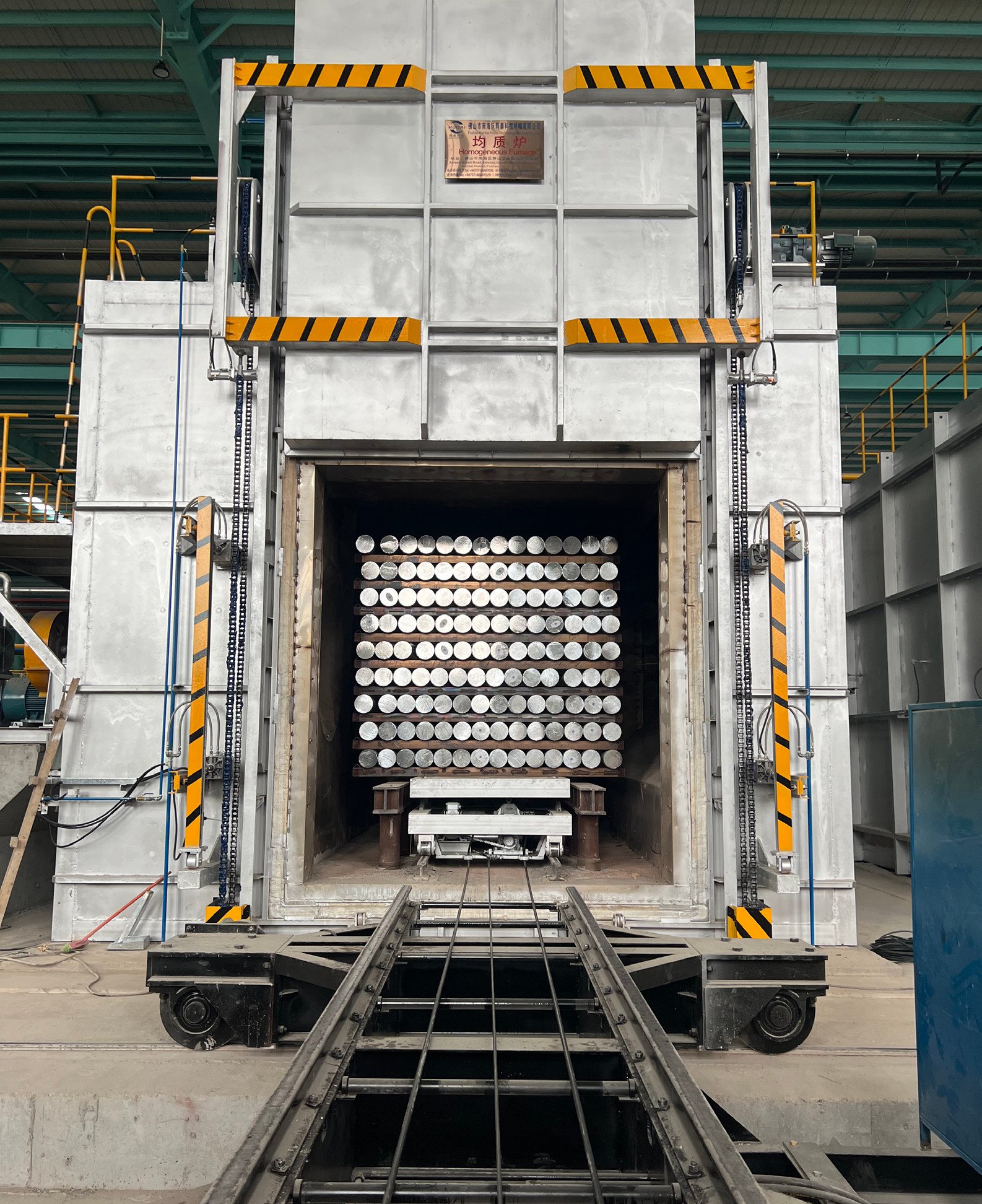
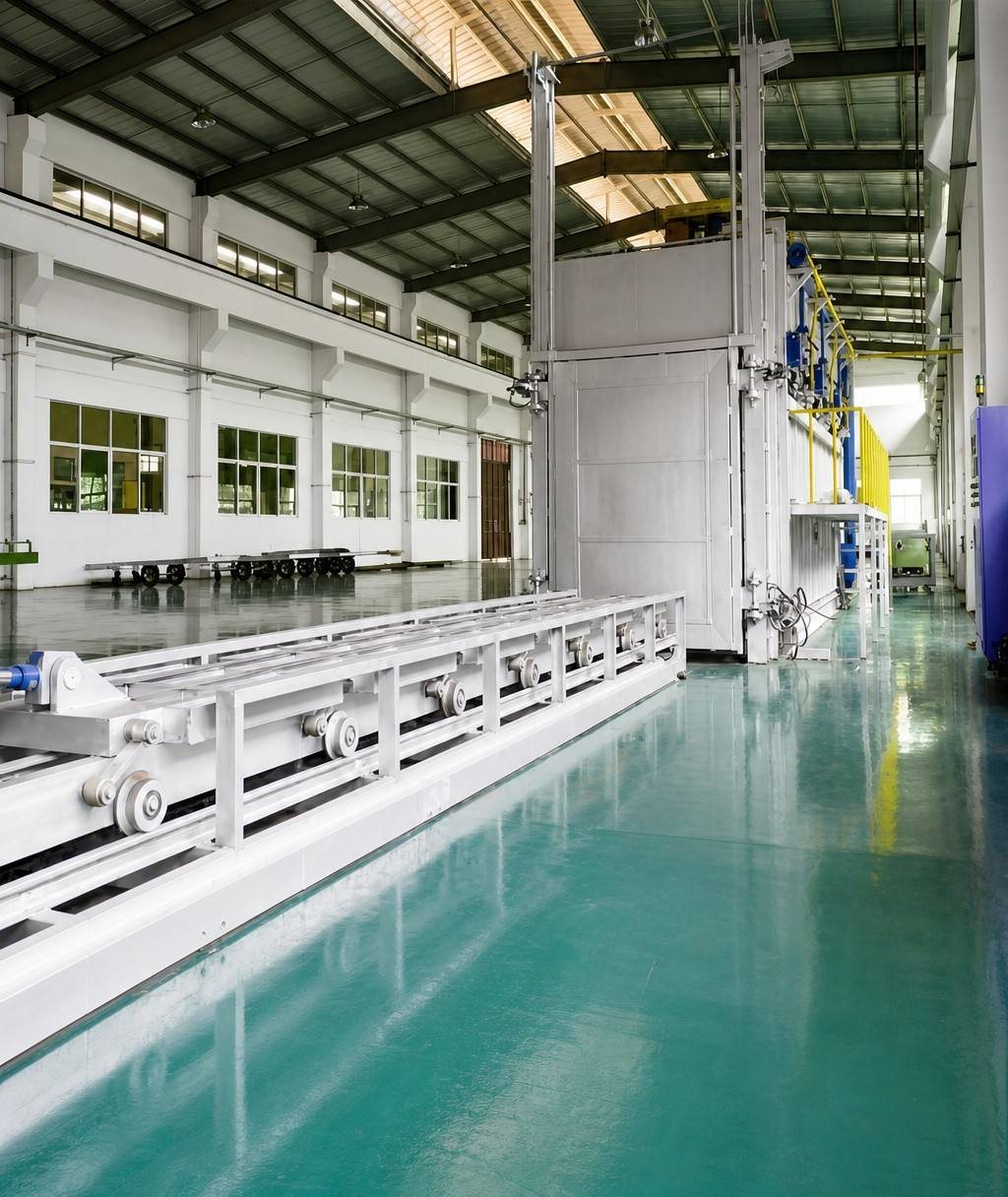
Homogenizing

均匀化处理工艺

Homogenizing heat treatment reduces residual stress and microstructural non-uniformity in cast billets before extrusion.

Key Process Parameters

  • Furnace capacity: 8–60 T
  • Maximum temperature: 650°C
  • Temperature accuracy: ±5°C
  • Natural gas: 25–35 m³/T billet
  • Charging-car alignment: ≤5 mm
View Related Equipment →
Homogenizing process
04
Process Stage

Continuous Casting

连续铸造工艺

Continuous casting produces aluminum rod or strip directly from molten metal, reducing intermediate processing and energy consumption.

Key Process Parameters

  • CC&R rod: Ø8 mm, 3–12 T/hr
  • Twin-roll strip: 4–8 mm thick, up to 1600 mm wide
  • Typical alloys: 1050, 1350 and EC grade
  • Energy saving: 35–45% versus conventional routes
View Related Equipment →
Continuous Casting process
05
Process Stage

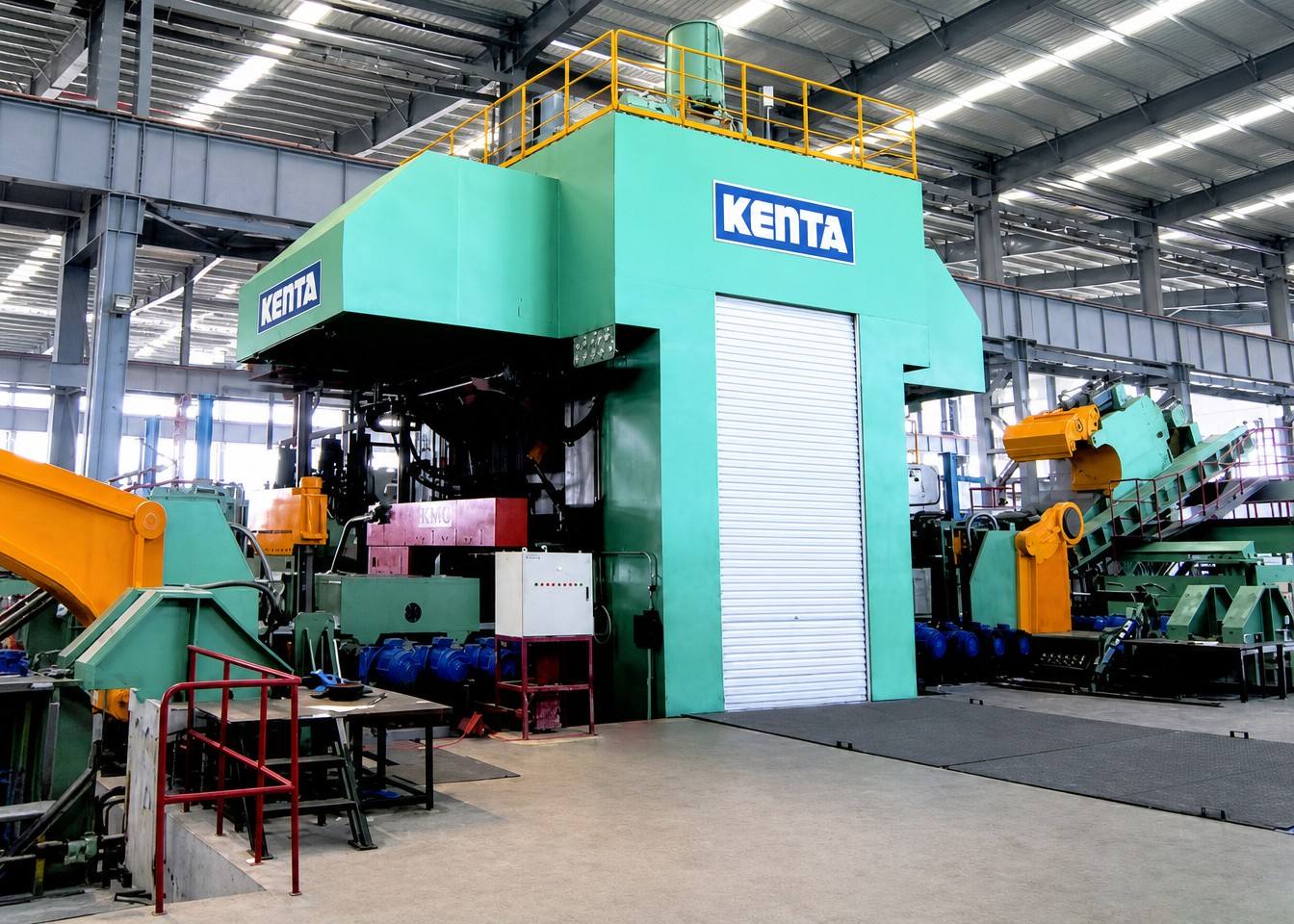
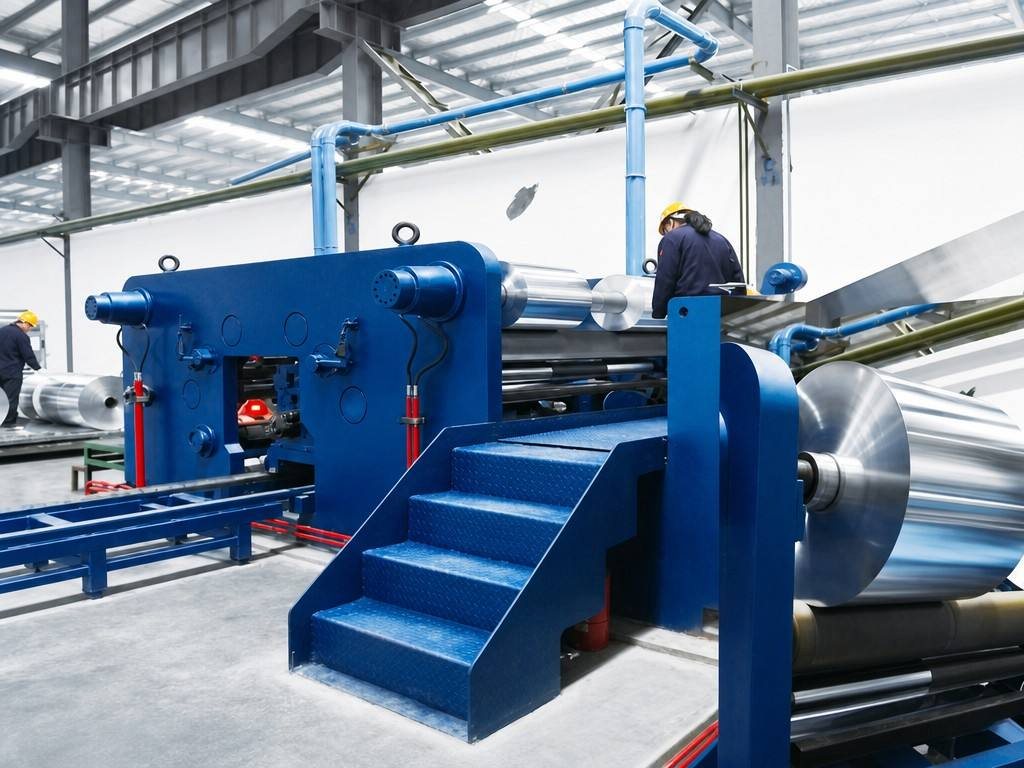
Hot & Cold Rolling

冷热轧制工艺

Rolling converts slab or cast strip into coil, sheet and foil at controlled gauge, flatness and surface quality.

Key Process Parameters

  • Cold-rolling range: 0.006–6 mm
  • Strip width: 300–1850 mm
  • Maximum speed: 400 m/min for cold rolling
  • AGC gauge control: ±0.005 mm
  • Closed-loop rolling-oil management
View Related Equipment →
Hot & Cold Rolling process
06
Process Stage

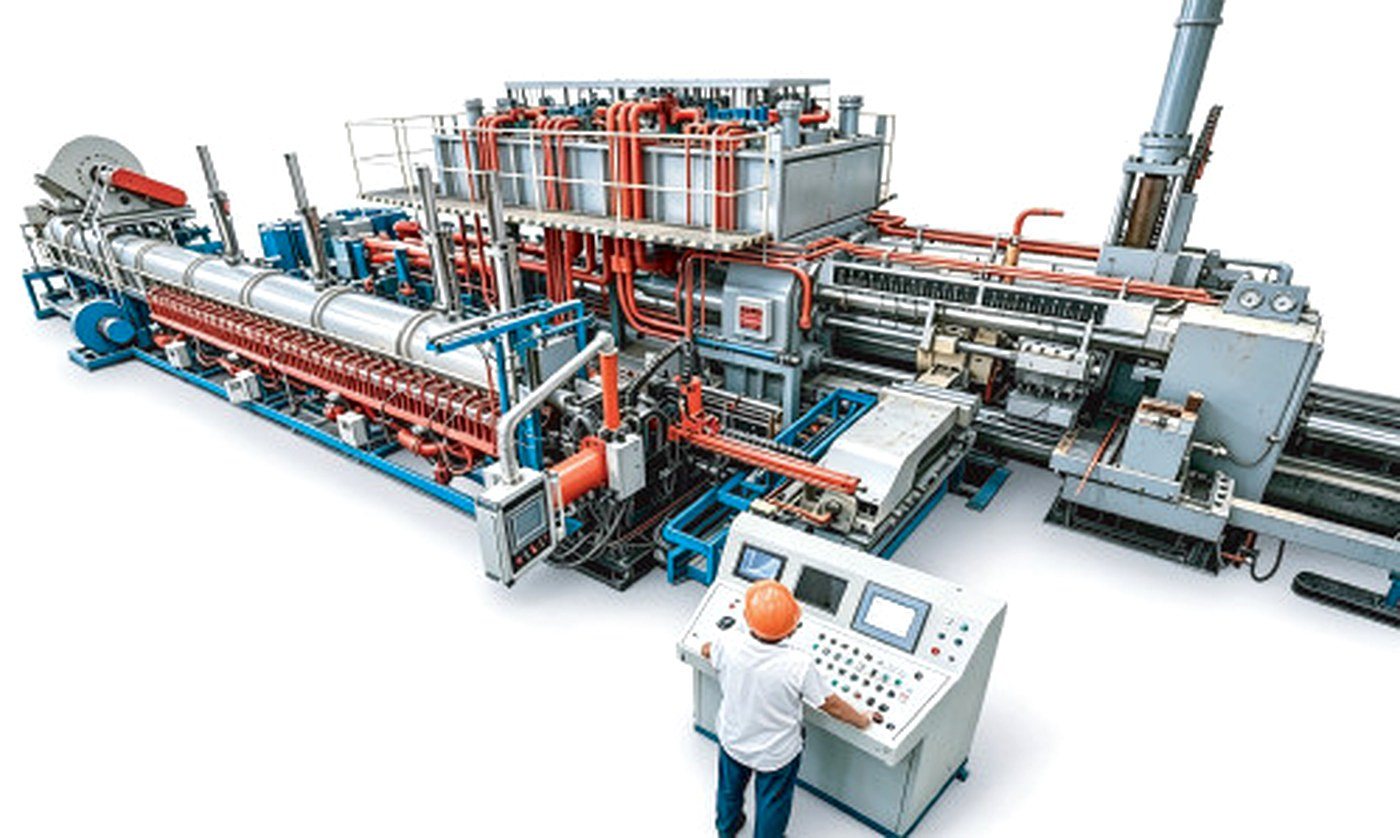
Extrusion

铝挤压工艺

Heated billets are forced through precision dies to produce profiles, tubes and rods for architectural and industrial use.

Key Process Parameters

  • Billet temperature: 450–520°C
  • Press force: 500T–3600T
  • Extrusion speed: 5–50 m/min
  • Water quench, stretching and T5/T6 aging
View Related Equipment →
Extrusion process
07
Process Stage

Annealing

退火工艺

Annealing relieves cold-work hardening and restores ductility for coil, sheet and foil production.

Key Process Parameters

  • Temperature: 300–400°C depending on alloy
  • Box-furnace load: 5–30 T
  • Continuous line: up to 300 m/min
  • Strip range: 0.1–3 mm
  • Output tempers: O, H14 and H18
View Related Equipment →
Annealing process
08
Process Stage

Slitting

铝带分条工艺

Slitting converts wide master coils into narrow strips with accurate width, controlled tension and clean edges.

Key Process Parameters

  • Input width: 200–1850 mm
  • Thickness: 0.1–6 mm
  • Width tolerance: ±0.05 mm
  • Line speed: up to 500 m/min
View Related Equipment →
Slitting process
09
Process Stage

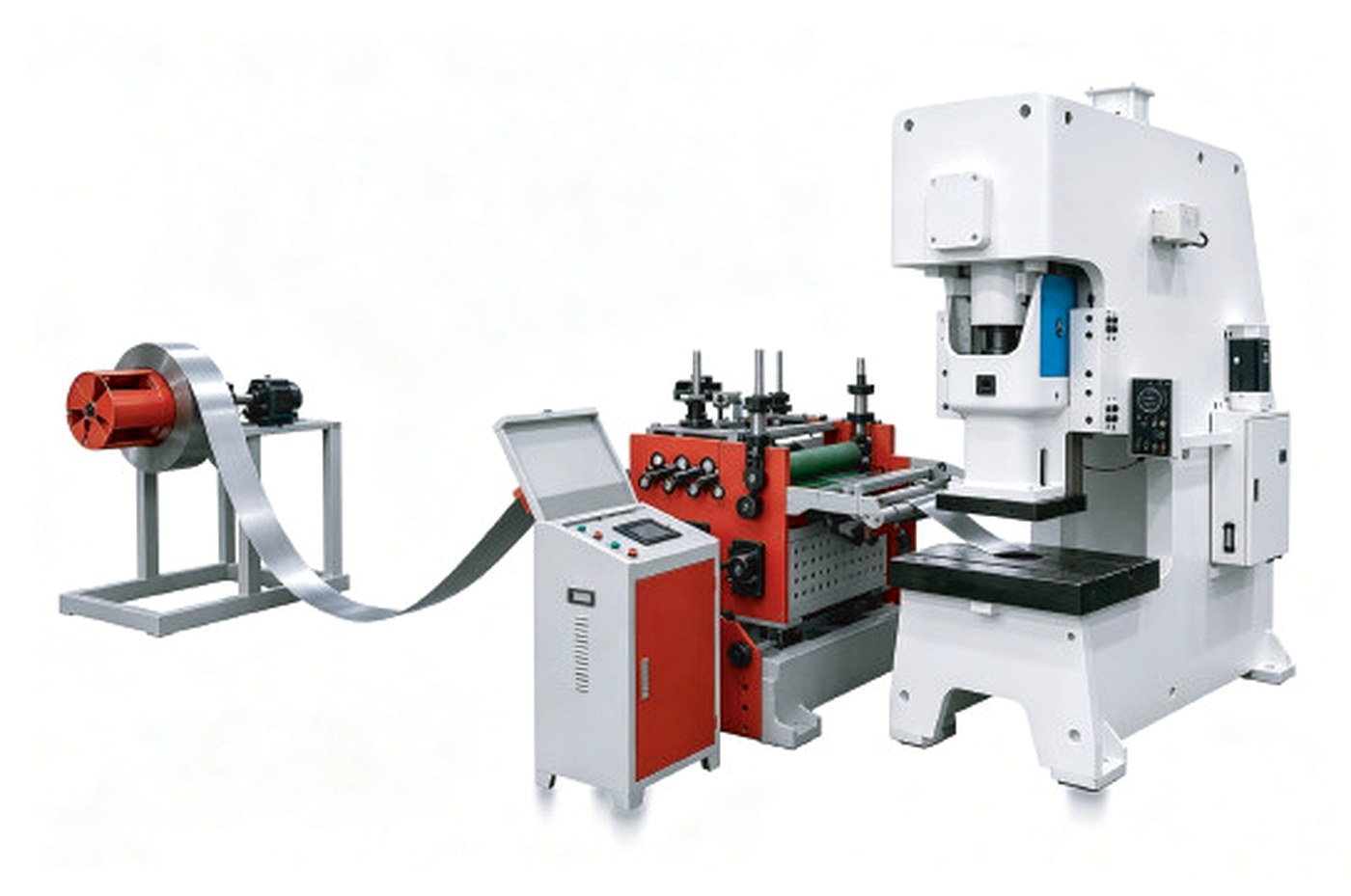
Circle Punching

铝圆片冲压工艺

Circle punching transforms aluminum strip into round blanks for cookware, spinning and stamping applications.

Key Process Parameters

  • Circle diameter: Ø80–400 mm
  • Strip thickness: 0.8–5.0 mm
  • Press speed: up to 120 strokes/min
  • Material yield: 82–90%
  • Edge burr: ≤0.05 mm
View Related Equipment →
Circle Punching process
Full Integration

Complete Process Overview

01
Aluminum Melting
铝熔炼
02
DC Casting
半连续铸造
03
Homogenizing
均匀化处理
04
Continuous Casting
连续铸造
05
Hot & Cold Rolling
冷热轧制
06
Extrusion
铝挤压
07
Annealing
退火
08
Slitting
铝带分条
09
Circle Punching
铝圆片冲压

Discuss Your Process Requirements

Our engineers can recommend an equipment configuration for your target product and capacity.